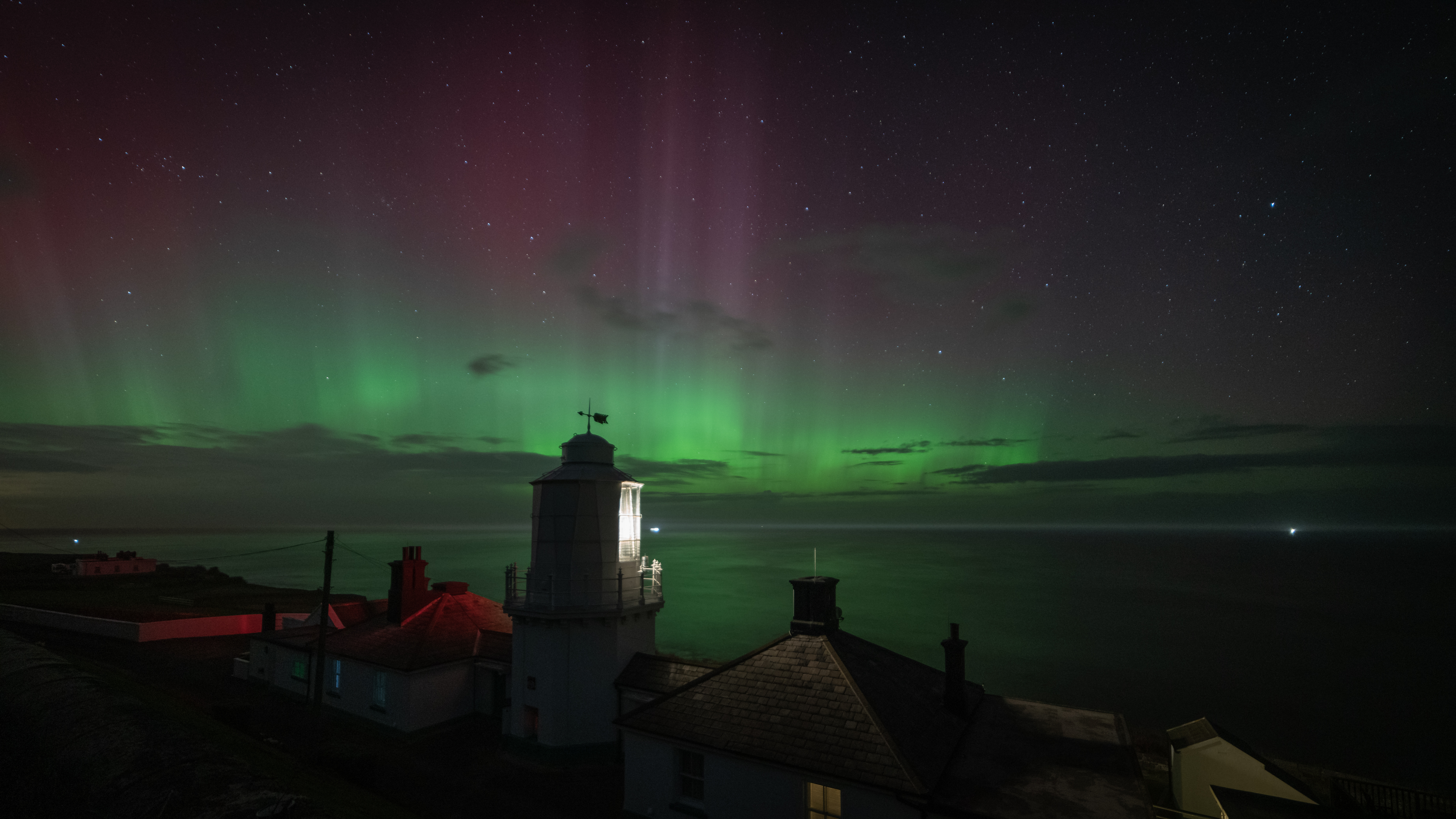
The Northern Lights over Whitby’s old lighthouse taken 23rd March 2023 11.20pm
I started night photography about 8 years ago as a complete novice, which is also around the time of the last solar maximum in 2014. It was also considered to be one of the weakest on record and ever since the sun’s activity has gently waned into the solar minimum of 2020. Therefore I think the timing of taking up this hobby has limited my chances of getting any decent aurora shots. However it has given me plenty of time to practice my photography over the recent years and learn about the Aurora and where solar storms come from. In essence it has made me work harder to find these rare opportunities and study how it really works. Now it is is 2023 and we approach the next solar maximum which is set to peak around 2025. I am excited as well as cautious for what is to come and finally I have been able to photograph the best solar storm since 2017. I must admit now I always expect a display any time around Mother’s Day or during the Spring equinox. I am telling you this because I am actually giving you a clue as when to predict Aurora Storms as they are also expected to happen around Autumn Equinoxes as well! Would love to answer any questions anybody has about the science behind the aurora. Although I am still learning myself I believe I am now in a position to write a separate article about how to read and forecast the Northern Lights!
I often find people asking me about my photographs of the northern lights like “Could you actually see it?” and “is it naked eye visible or just edited?”
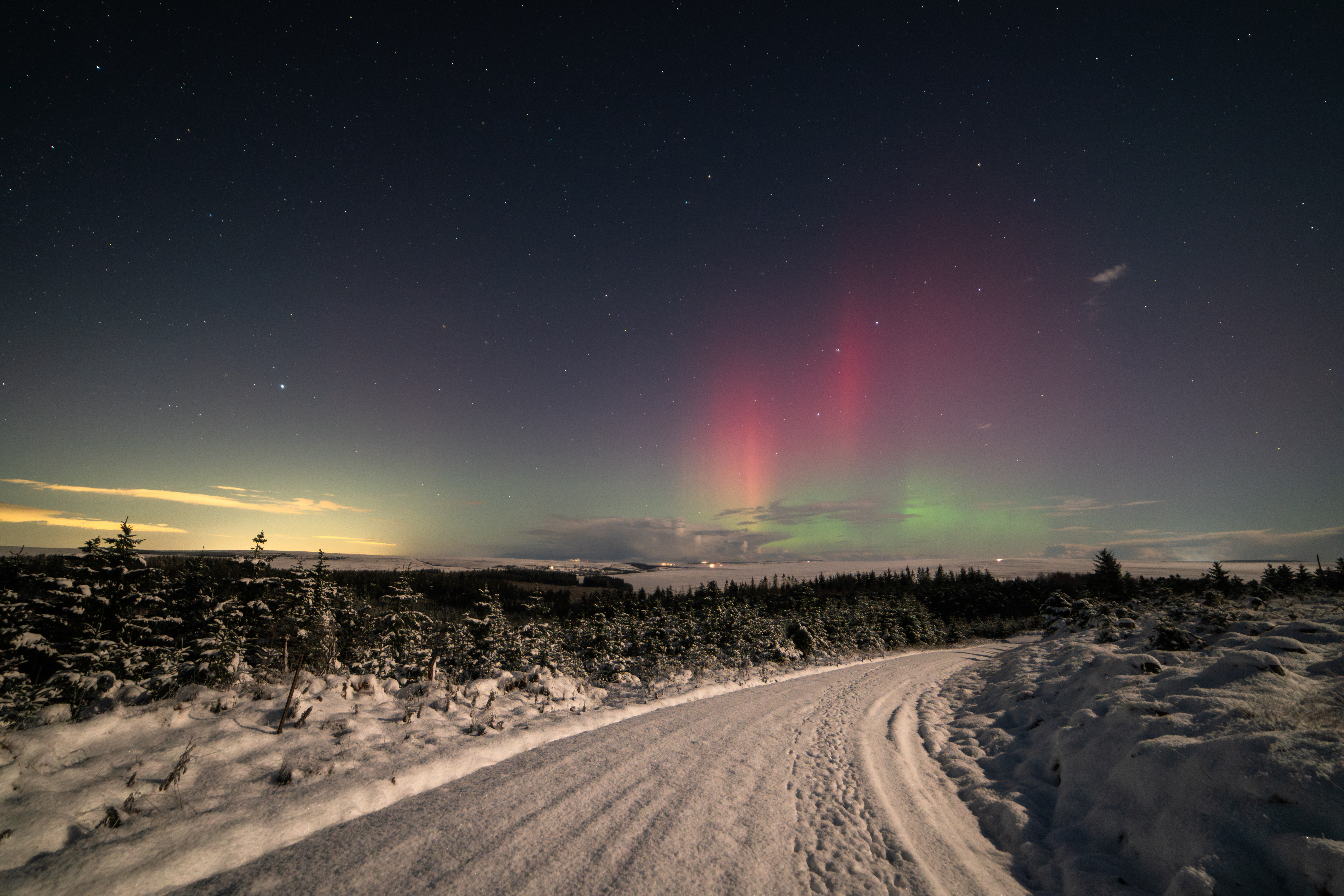
The honest answer to this that ‘no human eye can see what modern low light cameras are capable of seeing these days, as it is with much of astrophotography. However I can say when there is a strong enough storm present the answer is ‘yes’ if you allow your eyes 30 minutes to adjust to the dark you’ll be surprised at what you can actually see as is much the same with astronomy. Below is 3 images of what we were able to see that night – one of what it as like to the naked eye, one off the back of the camera and a final edited version.
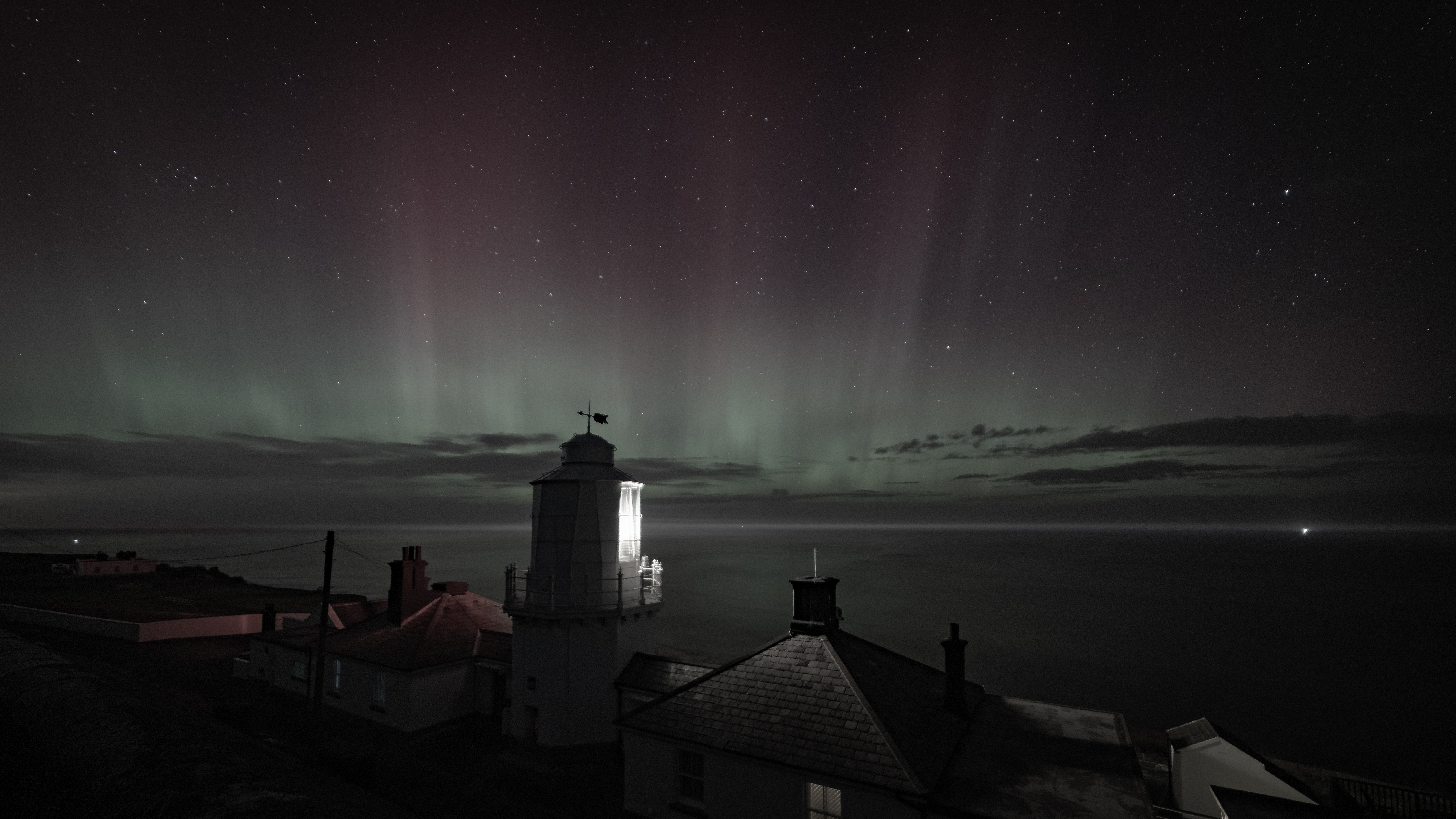
NAKED EYE VISIBLE
This is much the visible structure of the aurora and a soft glow behind the clouds. All the same the tall spikes and pillars were very much visible in a more monochrome sort of way!
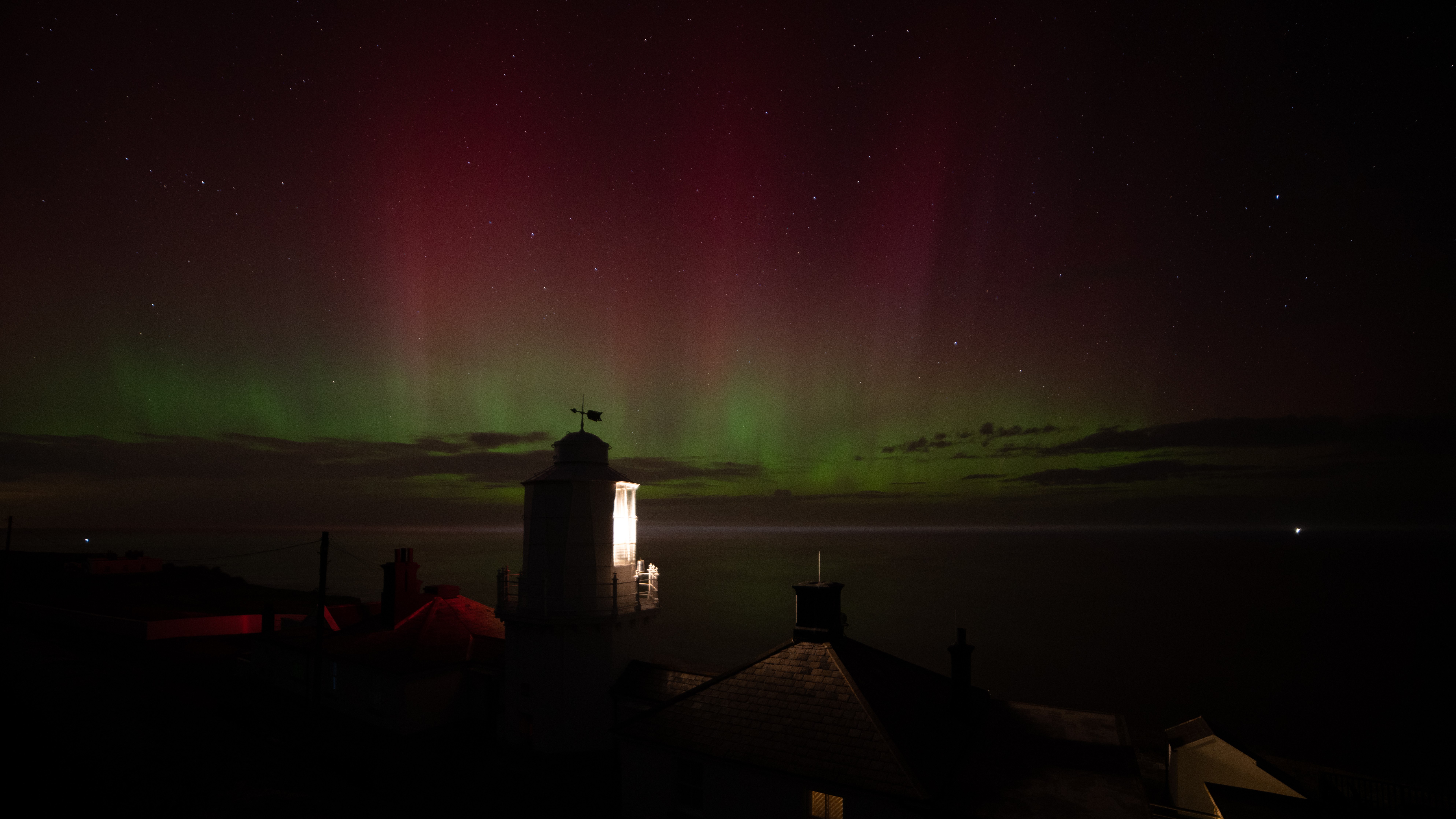
CAMERA RAW Sony A7Riii, Samyang 14mm f/2.8 – 6 secs/f/2.8/ISO 3200
You will notice that the the biggest leap is between naked eye and actually taking the photo. Not as much editing goes into processing these images as one might think apart from a few tweaks such as white balance, tone and shadows etc.
Sometimes there have even been occasions I find myself even reducing the the saturation in Lightroom from camera to computer.
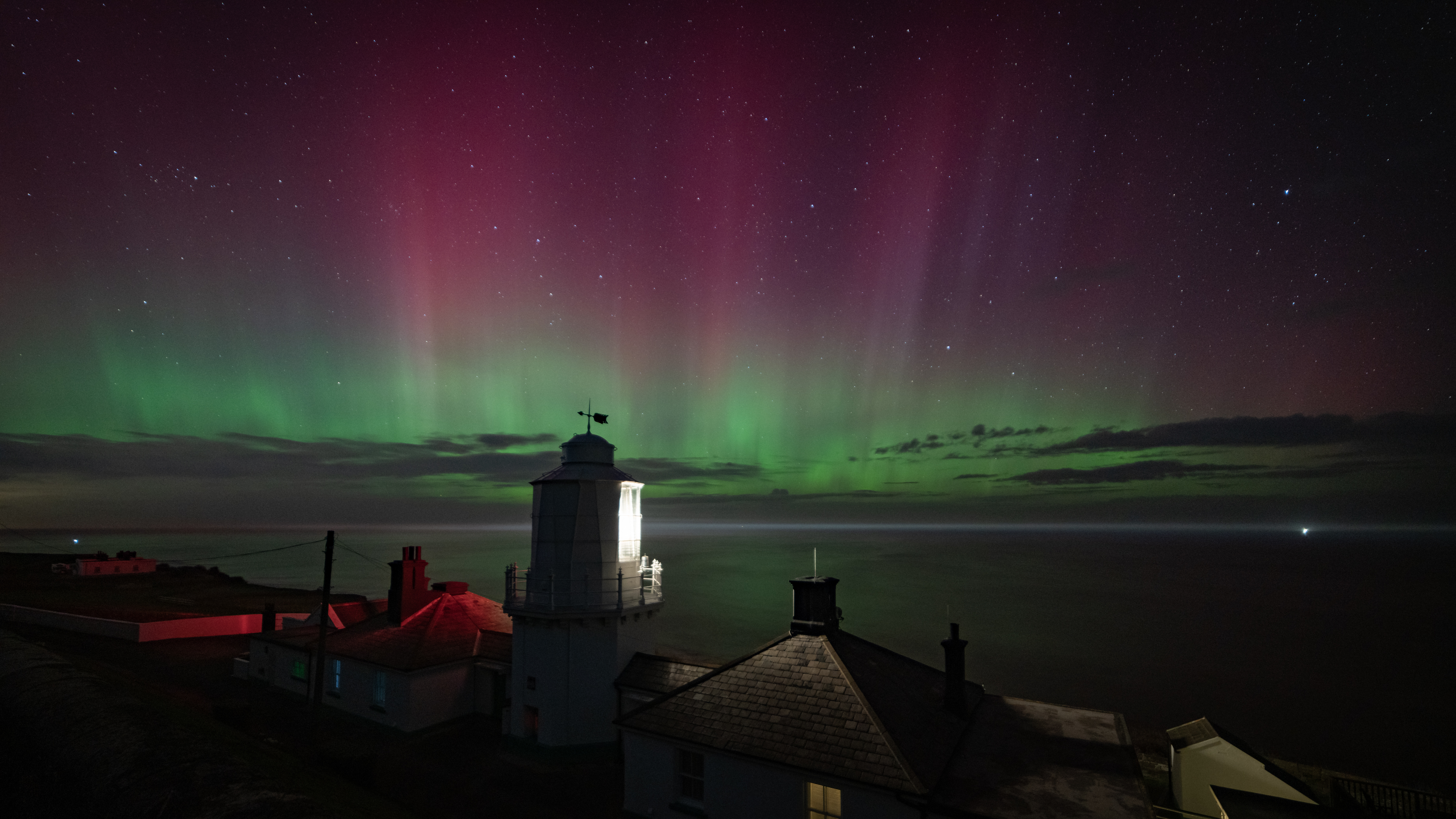
FINAL EDITED VERSION
In conclusion I still admit I am yet to see the aurora in full colour and hope that one day I get so lucky with stronger storms. It is very much possible to see the colours of the northern lights (or even the southern lights aka ‘the Aurora Australis’) depending on the level of the geomagnetic storm, which doesn’t have to be a million miles away either!